

JL Family Services – Header
JL Family Services

Meet Your Therapist

Finding the right therapist is about more than credentials. It is about finding someone you can trust, connect with, and feel comfortable being honest with.

Finding the right fit can make therapy feel different.

Therapy can ask you to talk about the parts of life you usually keep moving past—the relationship that feels stuck, the anxiety that will not quiet down, the family patterns you are tired of repeating, or the version of yourself you are still trying to understand. The right therapist should bring clinical skill, but the connection matters too.

Therapist fit is not a small thing. The National Institute of Mental Health notes that rapport and trust are important when choosing a therapist, and an initial conversation can help you decide whether you feel comfortable with a provider. Read the NIMH guidance →

Before you scroll, ask yourself three things.

01

What do I want help with?

Think about what is bringing you here now—relationships, anxiety, identity, grief, trauma, intimacy, family stress, life transitions, or simply feeling like something needs to change.

02

How do I want therapy to feel?

Some people want a therapist who is warm and reflective. Others want someone direct, practical, challenging, structured, or a mix of all of it. Pay attention to what helps you open up.

03

What matters to me in the relationship?

Your therapist’s experience, specialties, communication style, cultural awareness, identity, and approach can all matter. You are allowed to care about the fit—not just the credentials.

Meet Our Therapists | JL Family Services
Diana Jean-Louis

Diana Jean-Louis

LCSW, MJ

Diana specializes in couples issues, sex therapy, and supporting both women and men through relational and personal growth.

Relationship Intimacy
Shannon Carr

Shannon Carr

LPC

Shannon focuses on root work, healing, and helping women and men develop deeper self-awareness and coping strategies.

Relationship Issues Life Balance
Kristen Barry

Kristen Barry

MA

Kristen supports LGBTQ+ individuals navigating life transitions and healing through compassionate, affirming therapy.

LGBTQ+ Transitions
Stephanie Brown

Stephanie Brown

MA

Stephanie works with kids, adolescents, and families to improve relationships and emotional well-being.

Self-Esteem Relationship
Katie Love

Katie Love

LCPC, CADC

Katie provides therapy for those struggling with substance use, sexual issues, and emotional coping.

Relationship Intimacy
Nyia Hawkins

Nyia Hawkins

MA

Nyia helps clients explore identity, navigate life transitions, and rediscover a sense of purpose and direction.

Self-Esteem Life Transitions
Derria Davis

Derria Davis

LLMSW

Derria helps clients manage mood disorders, heal from inherited trauma, and strengthen emotional resilience.

Transitions Relationships
Anita Taylor

Anita Taylor

LLMSW

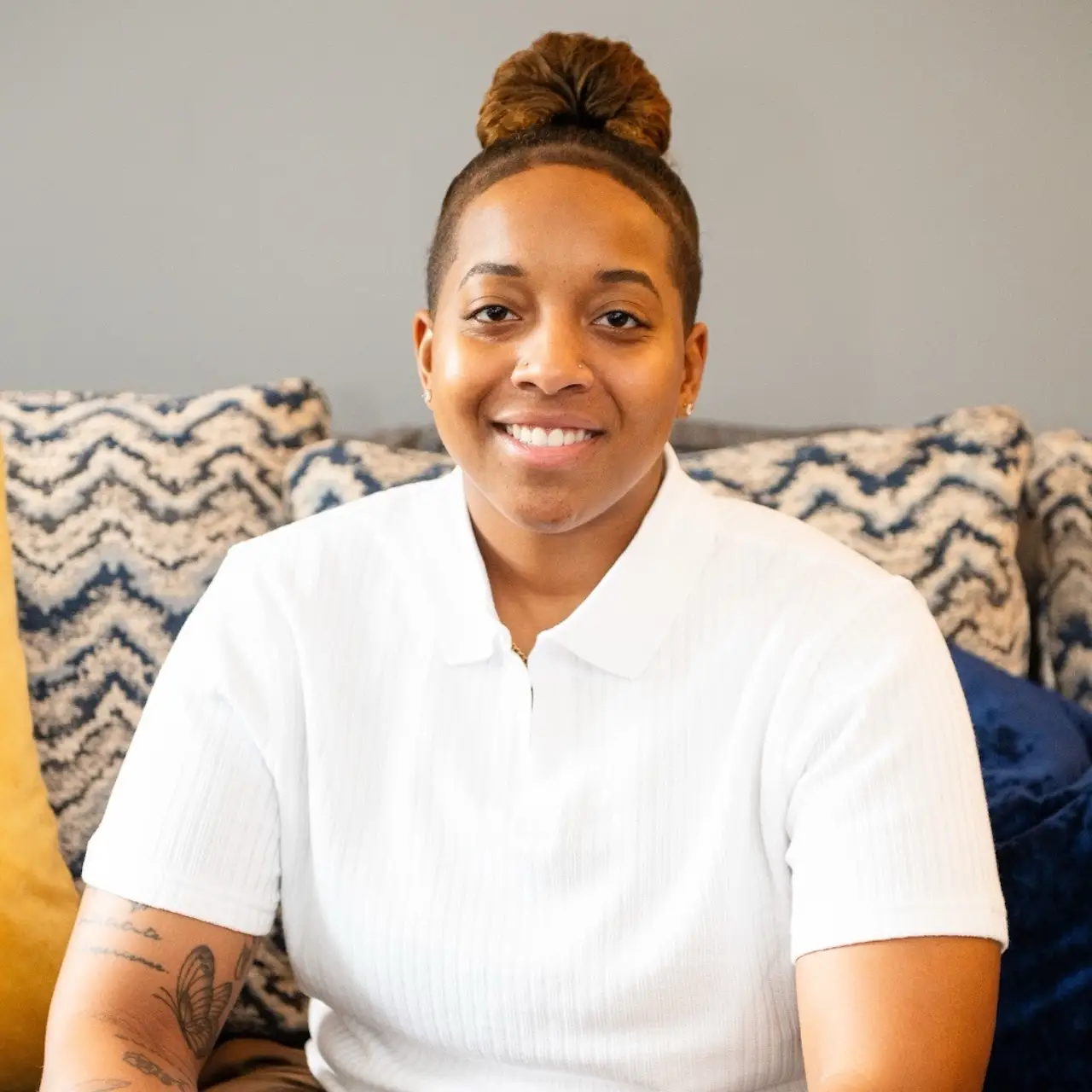
Anita supports clients dealing with identity concerns, grief, and emotional healing with sensitivity and insight.
Grief Self-Esteem
Matiah Ninalowo

Matiah Ninalowo

MA

Matiah provides compassionate support for LGBTQ+ clients coping with grief and healing from emotional pain.

Transitions Relationships
Kalila Farrakhan

Kalila Farrakhan

MA

Kalila focuses on relationship and identity issues, helping clients heal and reconnect with their authentic selves.

Relationship Issues Self-Esteem
Erica Butler

Erica Butler

LPC

Erica helps women navigate life transitions, strengthen relationships, and heal through compassionate, practical support.

Relationship Issues Adjustment
Still deciding?

You do not have to pick the “perfect” therapist from a profile.

A bio can tell you about training and specialties. A conversation tells you more about how it actually feels to talk with someone. Notice whether you feel heard, whether their approach makes sense to you, and whether you can imagine being honest in the room. If the fit does not feel right, that is useful information—not a reason to give up on therapy.

1

Start with who stands out.

Look at specialties, approach, populations served, and the way each therapist describes their work.

2

Use the consultation.

Ask questions. Talk about what you are looking for. See whether the conversation feels comfortable enough to take the next step.

3

Pay attention to the relationship.

Therapy works collaboratively. You should be able to discuss goals, concerns, feedback, and whether the work is helping.

Verified by MonsterInsights